
International relocation can be stressful if not planned properly. Avoid the most common mistakes for an efficient, safe and loss-free process.
Common mistakes and how to avoid them:
- Lack of detailed planning;
- Underestimating the time needed;
- Choosing an unreliable supplier;
- Incorrect packaging and lack of insurance;
- Lack of information about the new location and destination space.
International relocation is one of the most complex logistical experiences a person or company can go through. Although it may seem like a simple process of packing and moving, in reality it involves many more steps: planning, coordination, documentation, transportation, insurance, integration into a new environment. That's why relocations that are not carefully prepared often end up causing stress, delays and unexpected costs.
Whether you're a professional moving to a new country for a new job or a company relocating your teams or operations, it's essential to avoid the most common mistakes that occur in the process. And the solution, in many cases, starts with choosing a reliable partner.
Why do most problems arise in international relocations?
The most common difficulties arise from a lack of planning, accurate information, and a professional relocation provider. International moves involve more steps than a local move, and ignoring even one can result in delays, additional costs, or material losses.
In this detailed article, we present the 7 most common mistakes in international relocations, along with tested solutions that will help you have an efficient and surprise-free process. In addition, discover how a partner with European coverage, such as Paneuropa Logistics, can turn a relocation into an organized and secure experience.
1. Lack of detailed planning
One of the biggest mistakes is starting your relocation without a well-laid plan. Many people underestimate the number of steps involved: obtaining visas and customs documents, booking transport, choosing suppliers, notifying authorities, organizing your new living or working space.
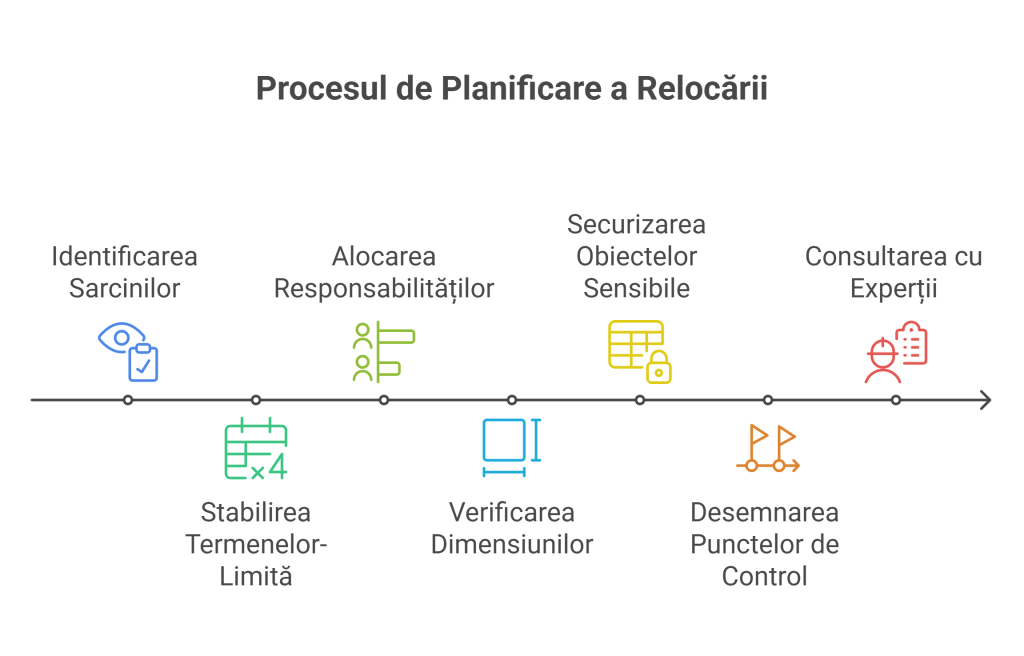
Planning should begin at least 8-10 weeks before the actual relocation date. Make a clear list of all tasks, set realistic deadlines and identify the responsibilities of each team or family member. A clear timetable prevents chaos and allows resources to be managed efficiently.
For example, if you are planning to move bulky furniture, it is important to check in advance whether it will fit into the new space. If you have IT equipment or sensitive documents, a packing and securing protocol should be established. Such details make the difference between a smooth move and a stressful one. In the case of a business, a lack of detailed planning can lead to business disruption, financial loss and even damage to customer relations.
In addition, detailed planning also means designating checkpoints: key points in the calendar at which progress is checked, tasks are updated and corrective action is taken. These milestones provide visibility into the entire process and help prevent problems. A partner like Paneuropa Logistics can provide a customized relocation plan with clear milestones and resources tailored to each case.
2. Underestimating the time needed for preparation
Time is a critical factor in any relocation process. Another common mistake is to start preparations only a few days in advance. This leads to hasty decisions, careless packing, missing paperwork, material losses and high emotional pressure.
Ideally, start your preparations two or even three months in advance. During this period you will have time to choose an experienced relocation company, ask for quotes, compare services, organize the paperwork and take care of the logistics. You'll also have the freedom to adjust the timetable to the unforeseen, without panicking.
For companies, this underestimation can affect workflow. Relocating employees need to be informed and supported in advance to maintain productivity and team morale. A delay of a few days in the relocation process can mean big losses in the delivery of services or products, especially in sensitive industries.
A provider such as Paneuropa Logistics helps clients to establish the necessary relocation steps in advance, providing advice, realistic time estimates and sufficient logistical resources to prevent bottlenecks.
How far in advance should an international relocation be started?
Ideally, preparations should begin at least 8–12 weeks before the move date. This timeframe allows you to choose the right provider, organize your documents, and avoid rushed decisions.
3. Choosing an unreliable relocation company
The market for relocation services is varied and the temptation to choose the cheapest option is great. But an unreliable company can completely compromise the whole process: delays, mishandling, lack of insurance, poor communication, ambiguous contract terms.
Choosing a professional company is essential. Paneuropa Logistics offers not only door-to-door transport services throughout Europe, but also personalized consultancy, professional packing, assistance with customs documentation, temporary storage, full insurance and logistical support.
Before signing the contract, check that the company has its own fleet, is authorized for international transport, offers clear guarantees and has positive feedback from other customers. An experienced company also gives you transparency: you know at all times where your goods are and what the next steps are. Such a partner helps you anticipate risks and make informed, not just reactive, decisions.
4. Improper packaging of goods
Packing is one of the most underestimated stages of relocation. Many use reused boxes, poor quality tape or pack fragile items together with heavy ones. The result? Damage, difficult unpacking and significant losses.
A professional partner will provide suitable packaging materials: heavy-duty boxes, bubble wrap, dividers, industrial tape, special labels. Moreover, an organized packing plan (by room, by category) reduces unpacking time and minimizes the risk of confusion.
Paneuropa Logistics offers complete packing and inventory solutions, ensuring optimal protection of goods. Clear labeling and sorting of boxes according to final destination make the moving process predictable and efficient.
We recommend clearly labeling each box (e.g. "kitchenware - fragile"), numbering them, and keeping a digital or printed inventory. For valuable items, use special protection or separate transportation with full insurance. Correct packing is especially essential for international relocation, where the length of transportation and successive handling increase the risk of damage.
5. Lack of information about the new destination
Relocation doesn't end the moment you're in your new space. In reality, adapting to a new environment is one of the most challenging stages. If you're not familiar with the city, culture, infrastructure and local legislation, unforeseen problems can arise.
Why is it important to learn about your destination before relocating?
Knowledge of local legislation, living costs, and infrastructure reduces the shock of adaptation and prevents administrative or logistical problems immediately after arrival.
Before you move, be well informed: look for information about safe neighborhoods, public transportation, health care, schools, local taxes, rental conditions. If you are moving with children, explore educational options in the area. If you're a company, identify possible partnerships or local legal restrictions early.
Paneuropa Logistics also includes in its services support related to the final destination: local partnerships, relocation guides, cultural adaptation advice and administrative support. Good documentation speeds up the transition and contributes to a stress-free settlement.
6. Ignoring property insurance
No matter how carefully you transport, the risk is there. Theft, accidents, careless handling - all can damage your belongings during relocation. And if you don't have comprehensive insurance, the costs become entirely your responsibility.
Insurance should be treated as an investment, not an expense. A good policy covers all stages: packing, transportation, temporary storage, delivery. Ask about the contractual terms and ask for a detailed list of risks covered. Professional companies provide this information as soon as they quote.
Paneuropa Logistics includes in its services insurance options adapted to the type of cargo, value and destination. This approach eliminates uncertainty and protects you financially in case of unforeseen events. Especially for long-term international relocations, insurance can make the difference between a costly and worry-free experience.
7. Not preparing the new destination space
The last step, often overlooked, is preparing the destination space. It's not enough for the home or premises to be 'available' - it must be functional, accessible and ready for unpacking.
What should be checked at the destination before moving?
Access for transport, functioning utilities, furniture compatibility, and availability of storage space are essential elements for efficient and smooth unpacking.
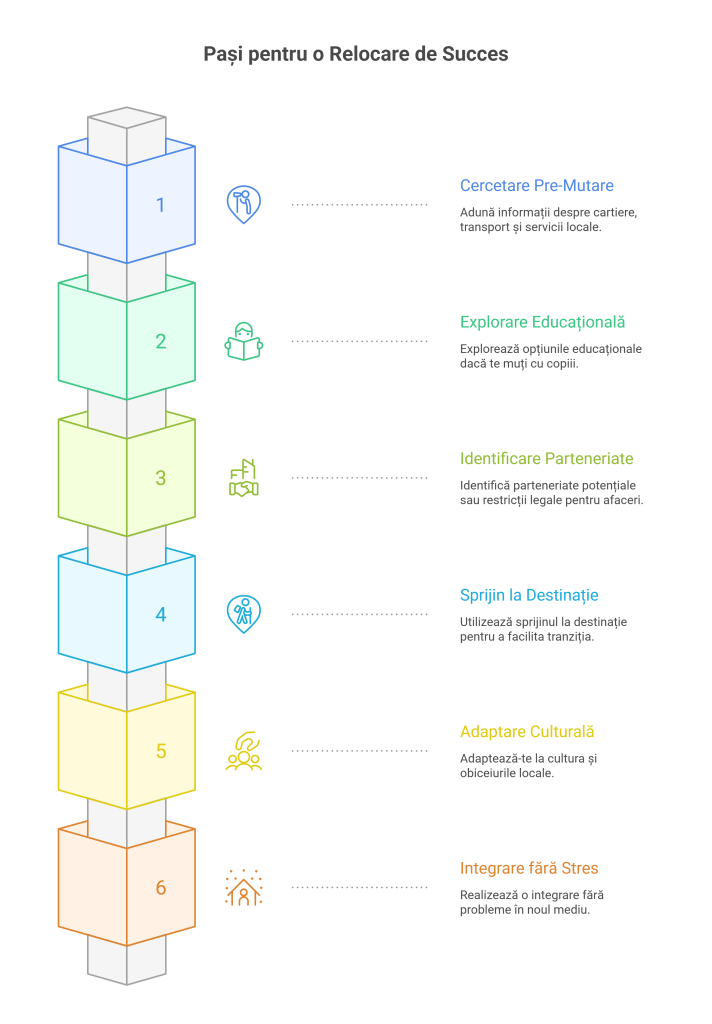
Start by checking utilities: electricity, water, gas, internet. Then make sure the premises are clean, furniture measurements are compatible, and the access route allows for a safe move. Ideally, make a preliminary visit or ask for detailed photos and sketches.
Paneuropa Logistics works with local teams in major European cities, so you can get direct support to check and prepare your new space. These services are particularly useful in corporate relocations, where every day of delay means operational losses.
Conclusion
International relocation is more than just moving - it is a complex process with many variables and risks. From planning to integration into the new community, each stage requires organization and serious partners.
You can avoid these mistakes if you approach relocation with seriousness, professionalism and reliable partners. Paneuropa Logistics supports both individuals and companies, offering complete door-to-door logistics solutions across Europe. With extensive experience, continental coverage and personalized services, the company becomes a valuable ally at a key moment in your life or business.
Relocating doesn't have to be stressful. With the right partners, it can be a fresh start - safe, organized and efficient. It starts with clear steps, realistic planning and a firm that supports you every step of the way. The choice is yours, but the results depend on the partnerships you build from day one.
Here is a list of frequently asked questions (FAQs) and answers

Founder and CEO of Paneuropa Logistics
I am György Bokor, Founder and CEO of Paneuropa Logistics. I have been active in the logistics industry for more than 20 years, focusing on international transportation, freight forwarding, last-mile deliveries and customs services. I am passionate about developing efficient solutions that connect businesses across Europe.