
3.5-Ton Tachograph – A Complete Guide to the New Regulations
Everything you need to know about the introduction of tachographs for 3.5-ton vehicles
Starting July 1, new European regulations impose additional requirements on transport companies that use vehicles weighing approximately 3.5 tons in international transport. One of the most significant changes is the introduction of tachographs for vans and light commercial vehicles involved in freight transport.
These rules are part of the Mobility Package and are intended to improve the monitoring of driving times, transparency in the transport sector, and compliance with labor laws governing drivers.
On this page, you'll find essential information about:
tachograph regulations for vehicles weighing 3.5 tons
driver scheduling and pay
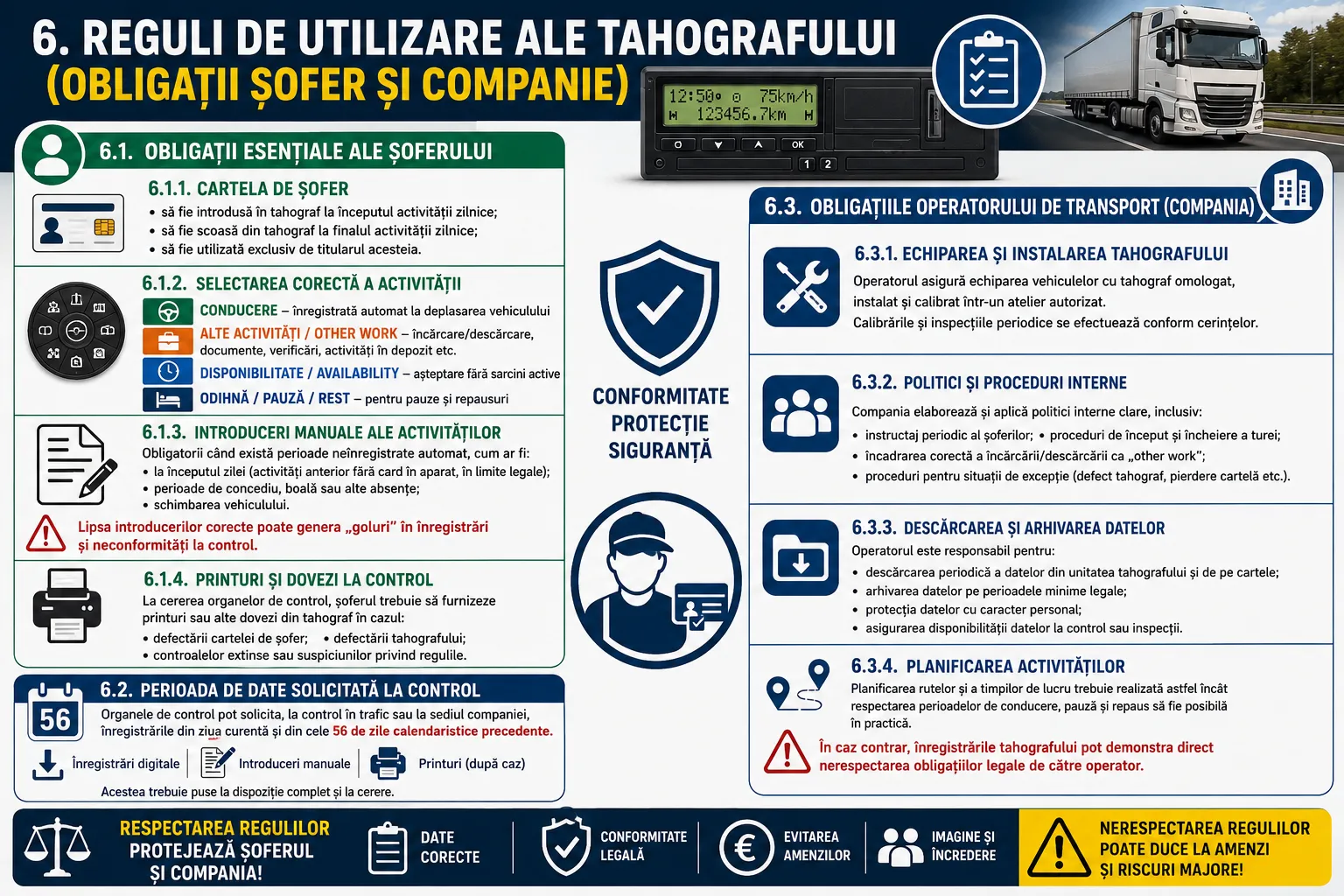
Use of the tachograph and inspection rules
The articles below briefly explain each key aspect related to the 3.5-ton tachograph, transportation regulations, and the obligations of transportation companies.
Regulations and legislation regarding tachographs for vehicles weighing 3.5 tons
The introduction of tachographs for 3.5-ton vehicles used in international transport is the result of legislative changes introduced by the Mobility Package. The new rules clearly specify which vehicles must be equipped with tachographs and what obligations transport companies have.
In the articles below, you will find information about the legal framework for tachographs, changes in transportation legislation, and their impact on the market.
Driver assignments, IMI, and driver pay
The tachograph directly affects how working hours and wages are calculated for drivers in international transport. The data recorded by the tachograph is used to track drivers’ activities and ensure compliance with EU posting rules.
This section explains the main rules regarding the posting of drivers, the IMI system, and payment in international transport.
Everything you need to know about the tachograph
The digital tachograph is an essential device for monitoring vehicle and driver activity in road transport. Its proper use is mandatory to comply with legislation regarding driving time and rest periods.
The articles below explain how the tachograph works, how to use it properly, and what penalties may apply for non-compliance with the rules.
The proper use of the tachograph is a legal obligation shared between the driver and the transport operator.

Regulation (EC) No. 561/2006 establishes the basic rules on driving times, breaks, and rest periods

Within the EU, the posting rules for drivers do not take weight into account either

In practice, the frequency and strictness of inspections regarding the posting of drivers vary significantly from one
Frequently Asked Questions About the 3.5-Ton Tachograph
In certain situations, vehicles used in international transport must be equipped with a tachograph in accordance with European legislation.
The regulations regarding tachographs for 3.5-ton vehicles will take effect in July.
During inspections, the absence of a tachograph or its improper use may result in fines.
The new tachograph regulations for vehicles weighing approximately 3.5 tons used in international transport will take effect in July.
The requirement applies to commercial vehicles weighing approximately 3.5 tons used for international freight transport, in accordance with the European legislation in the Mobility Package.
